
Designed for Comfort and Relaxation
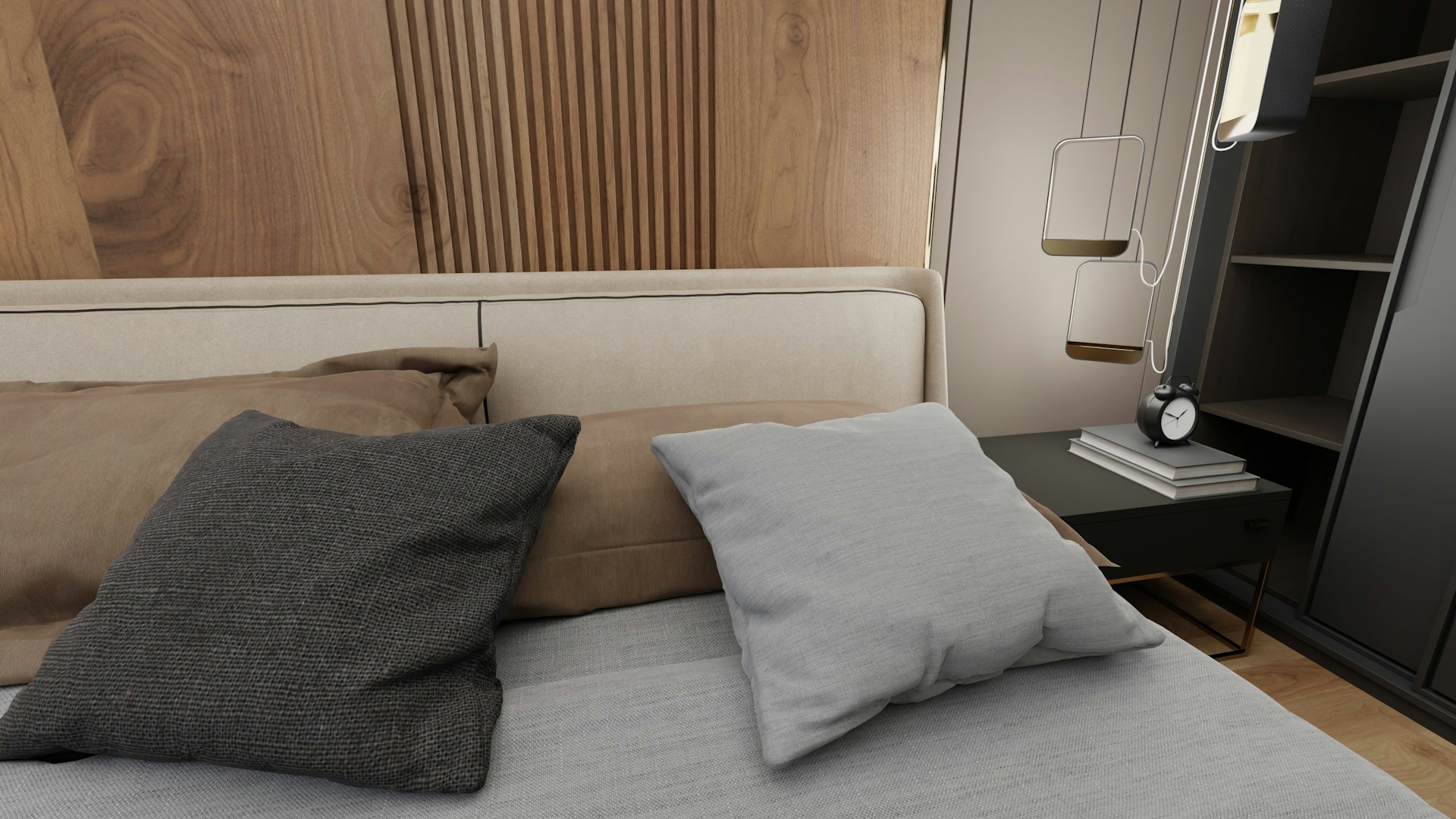
A relaxing hotel environment is shaped long before guests enter their room. From the first impression, spaces that feel calm and thoughtfully arranged help create a sense of ease. Comfort is not only about physical features, but also about how naturally the surroundings support rest and quiet moments.
Contemporary hotel design focuses on simplicity and balance. Clean lines, soft materials, and well-considered layouts make it easy for guests to move through the space without distraction. Lounges and shared areas are arranged to feel welcoming while maintaining a relaxed and unhurried atmosphere.
A sense of privacy plays an important role in overall comfort. Seating areas, room placement, and acoustic planning are designed to reduce noise and visual interruptions. These details allow guests to enjoy their time without feeling rushed or crowded, even in shared environments.
Comfort is also influenced by how smoothly services blend into the setting. When amenities are easy to access and staff interactions feel respectful and unobtrusive, guests can focus on enjoying their stay. Clear organization and intuitive layouts remove unnecessary effort from everyday routines.
Well-designed hotel spaces adapt throughout the day. Bright and open areas support daytime activity, while softer lighting and quieter zones encourage rest during the evening. This gradual shift in atmosphere helps guests settle into a rhythm that feels natural and supportive.
In the end, comfort and relaxation emerge from consistency. When design, atmosphere, and service work together seamlessly, the hotel becomes a place where guests can truly unwind. Such environments leave a lasting impression by making relaxation feel simple, natural, and unforced.