
Hotel Areas Guests Use Most
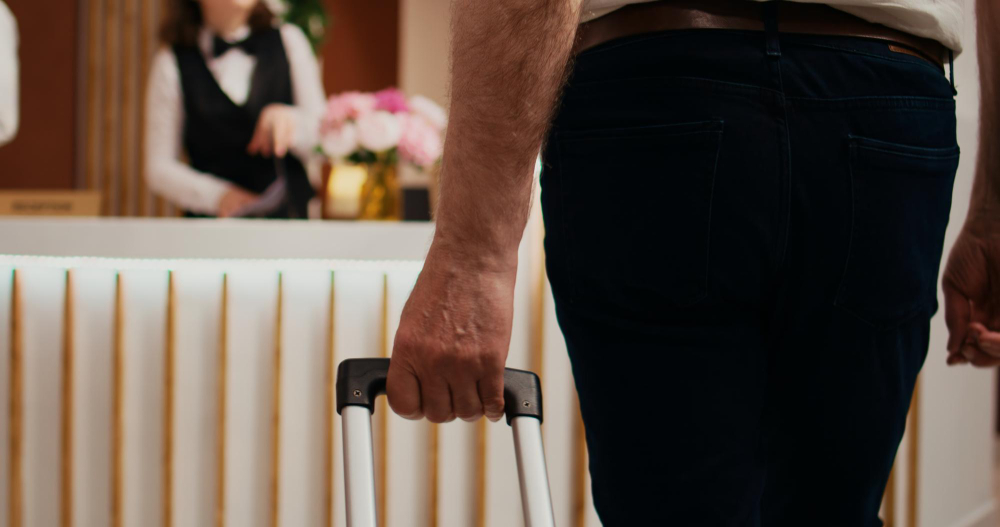
Throughout a hotel stay, guests naturally gravitate toward certain areas that become part of their daily routine. These frequently used spaces strongly influence how convenient and comfortable the experience feels. When such areas are planned with care, guests can move through the hotel smoothly and without effort.
Entrance zones and reception areas are among the most active parts of any hotel. Guests rely on these spaces for orientation, assistance, and transitions throughout the day. Clear organization, visible service points, and comfortable waiting areas help maintain a sense of order and ease.
Movement areas such as corridors, elevators, and stairways also shape everyday impressions. Although often overlooked, these spaces contribute to the overall flow of the property. Good lighting, cleanliness, and intuitive signage support confidence and comfort as guests navigate the hotel.
Dining and refreshment zones are regularly used as part of daily routines. Guests may stop for meals, beverages, or short breaks, making these areas important points of interaction. Well-spaced seating and a relaxed atmosphere encourage guests to pause without feeling hurried.
Seating areas located near common pathways often become informal gathering spots. Guests may use these spaces to rest, wait, or spend time between activities. Flexible layouts allow the same area to serve multiple purposes throughout the day.
In the end, the areas guests use most define much of the hotel experience. When these spaces are practical, comfortable, and consistently maintained, guests feel supported in their routines. Hotels that invest in everyday-use areas create stays that feel intuitive, reliable, and genuinely welcoming.